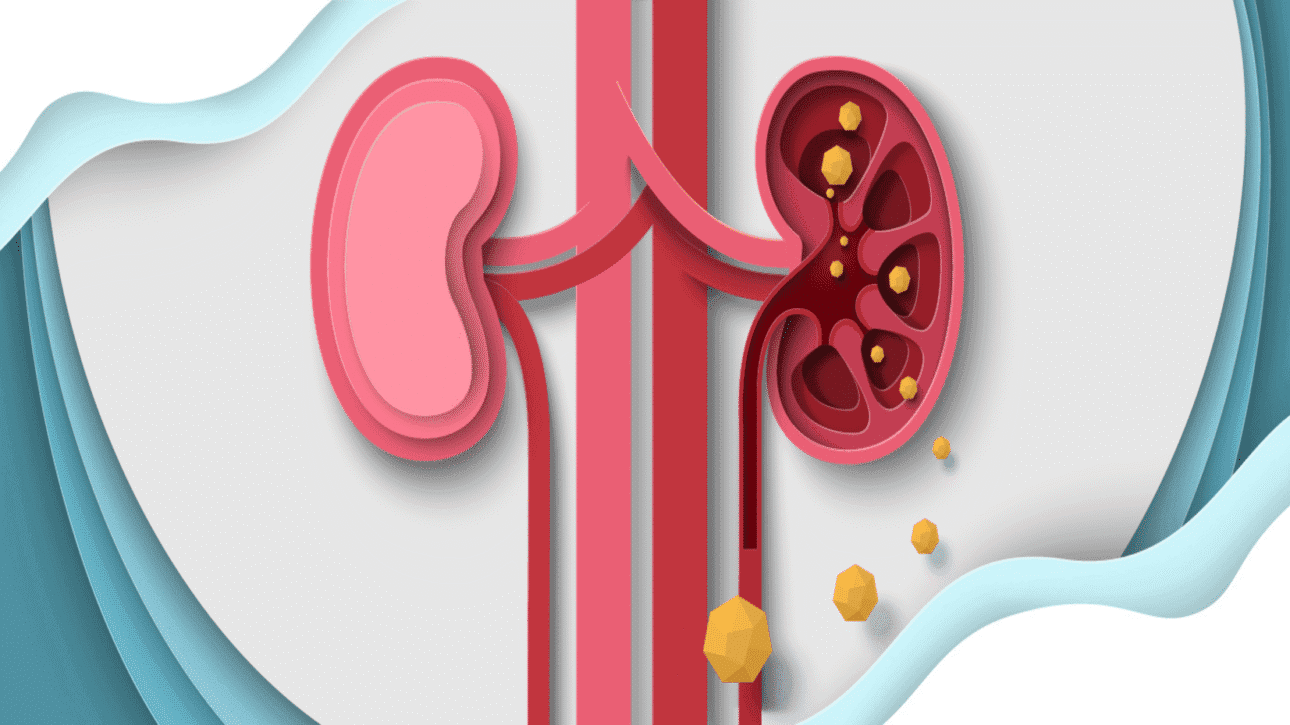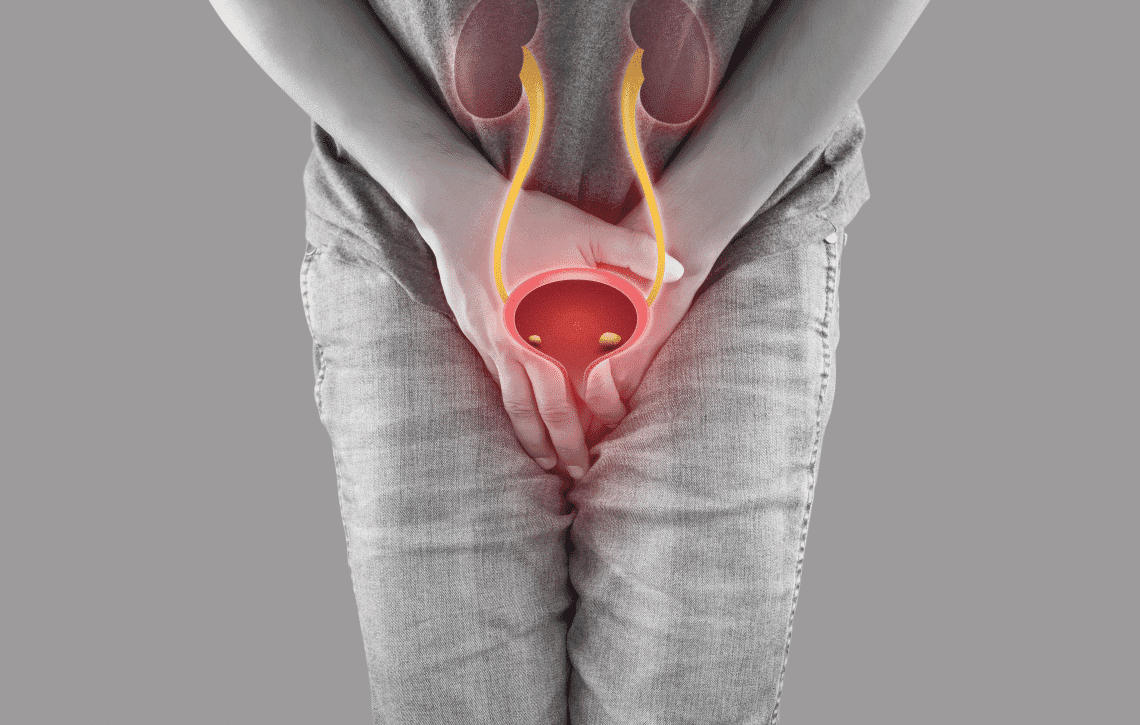
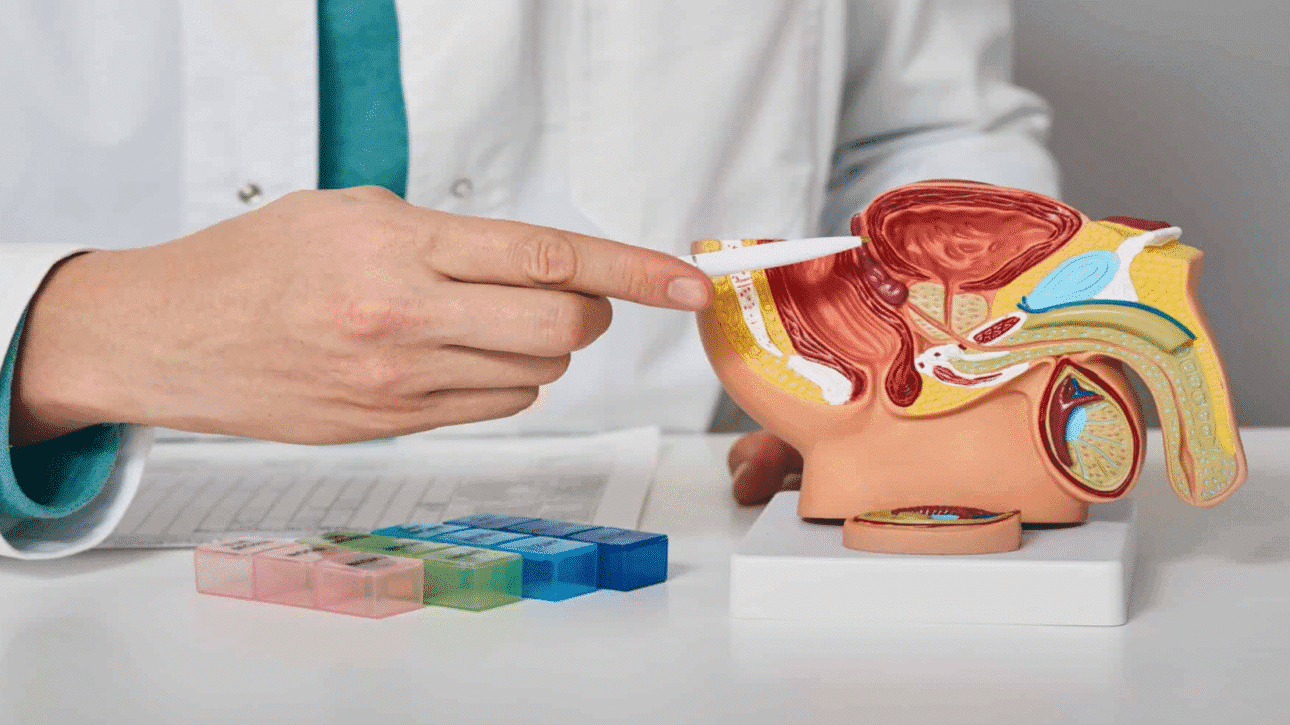
Benign Prostatic Hyperplasia (BPH) is a leading cause of urinary problems in men over 50. The prostate, which surrounds the urethra, enlarges with age and hormonal changes. Symptoms include difficulty starting urination, weak or interrupted flow, feeling that the bladder is not empty, frequent nighttime urination and sudden urgent urges. Left untreated, BPH can cause urinary retention, bladder stones and kidney damage, affecting daily activities and sleep.
If you’re waking up multiple times at night to urinate, straining to start urination or experiencing sudden urgency, it’s time to consult a urologist. Early evaluation typically includes a digital rectal exam to check prostate size and texture, urine analysis to rule out infection, blood tests and prostate‑specific antigen (PSA) measurement. Imaging such as ultrasound, post‑void residual tests or flexible cystoscopy may be performed to assess bladder emptying and look for complications.
Treatment depends on the severity of symptoms and patient preference. Medications are often the first step: alpha blockers (like tamsulosin) relax smooth muscle in the prostate and bladder neck, 5‑alpha reductase inhibitors (finasteride, dutasteride) shrink the prostate and tadalafil can improve both BPH symptoms and erectile function. If medications fail or cause side effects, minimally invasive procedures such as transurethral resection of the prostate (TURP), transurethral incision (TUIP), photoselective vaporisation (PVP) and holmium laser enucleation (HoLEP) remove or vaporise excess tissue. Emerging techniques like water‑jet ablation and prostate artery embolisation offer promising results with minimal downtime. For very large glands or combined prostate cancer, robotic or open surgery may be necessary; robotic prostatectomy provides precise removal with smaller incisions and faster recovery.
Modern prostate care in Chennai prioritises patient comfort, preservation of sexual function and quick return to daily life. Lifestyle changes such as reducing caffeine and alcohol, exercising regularly and maintaining a healthy weight can also alleviate symptoms. Don’t ignore urinary changes-early consultation allows us to tailor treatment using the latest medical and surgical advances to restore normal urinary flow and improve quality of life.
Frequently asked questions
Quick answers related to this article. For personalised advice, book a consultation.
What are the signs of prostate enlargement (BPH)?
How is BPH treated?
When should I see a urologist for prostate problems?
Is BPH the same as prostate cancer?
What is HoLEP for prostate enlargement?
Related treatment
Learn about specialist care and treatment options for this condition.
Prostate Enlargement (BPH)Medical disclaimer
This article is for educational purposes only and does not replace professional medical advice. Please consult Dr. Sandeep Bafna for personalised evaluation and treatment. Read full disclaimer.
Book a Consultation